


Volume Full Set Gallery
$$MultiPurposeText$$
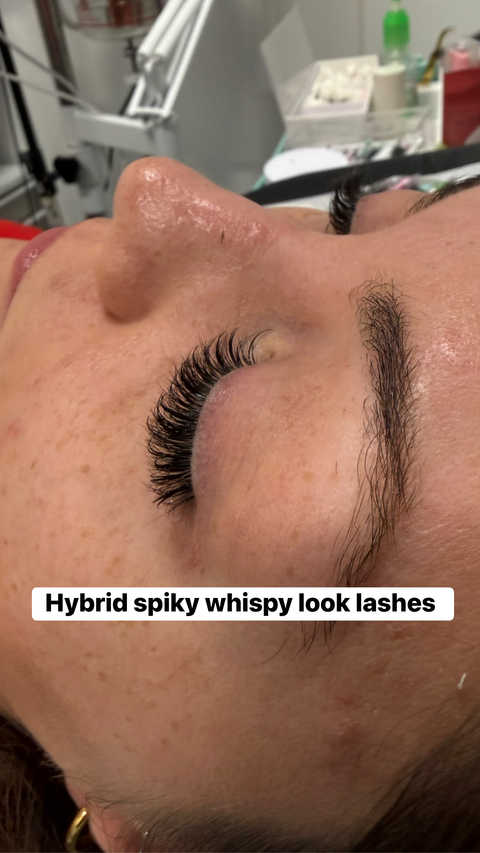
See examples of our Volume Full Set work and results.




What Our Clients Say
$$MultiPurposeText$$
Read testimonials from our satisfied customers

I asked for a very natural look for my first time and Debika explained what the process is...more

Always a great and warm experience here. Lashes last long and very well done. Highly recom...more

I regularly get my eyelashes done here and they always do an amazing job!

The experience is always good. My lashes are always on Fleek. Debika is a professional. Co...more

My favorite place to get my lashes done no complaints and they make you feel very comforta...more

The lady doing my lashes was so nice and patient with me (it was my first time getting las...more

Frequently Asked Questions
Get answers to common questions about Volume Full Set.
Volume Full Set lashes typically last through your natural lash growth cycle, about 4–6 weeks. Retention depends on aftercare, oil exposure, and shedding. We recommend fills every 2–3 weeks to maintain fullness and uniform appearance.
When applied by a trained technician using proper isolation and lightweight fans, Volume Full Set extensions should not damage natural lashes. Correct application distributes weight across each lash. Follow aftercare to minimize stress and breakage risks.
A full Volume Full Set appointment typically takes 2 to 3 hours, depending on desired density, natural lash count, and custom mapping. Consultation and lash mapping are included to design the most flattering, safe outcome for your eyes.
Avoid heavy makeup and water for the first 24–48 hours to allow adhesive to cure. After that, use oil-free makeup products and gentle removers. Avoid rubbing and remove makeup carefully to protect both extensions and natural lashes.
Clean lashes regularly with an oil-free cleanser, brush daily with a clean spoolie, avoid oil-based products and excessive steam, and sleep on a silk pillowcase or on your back. Schedule fills every 2–3 weeks to maintain volume.
If you have allergies or sensitive eyes, inform us before your appointment. We recommend a patch test and can use hypoallergenic adhesives. Your technician will review medical history and recommend safe options or alternatives to reduce irritation.